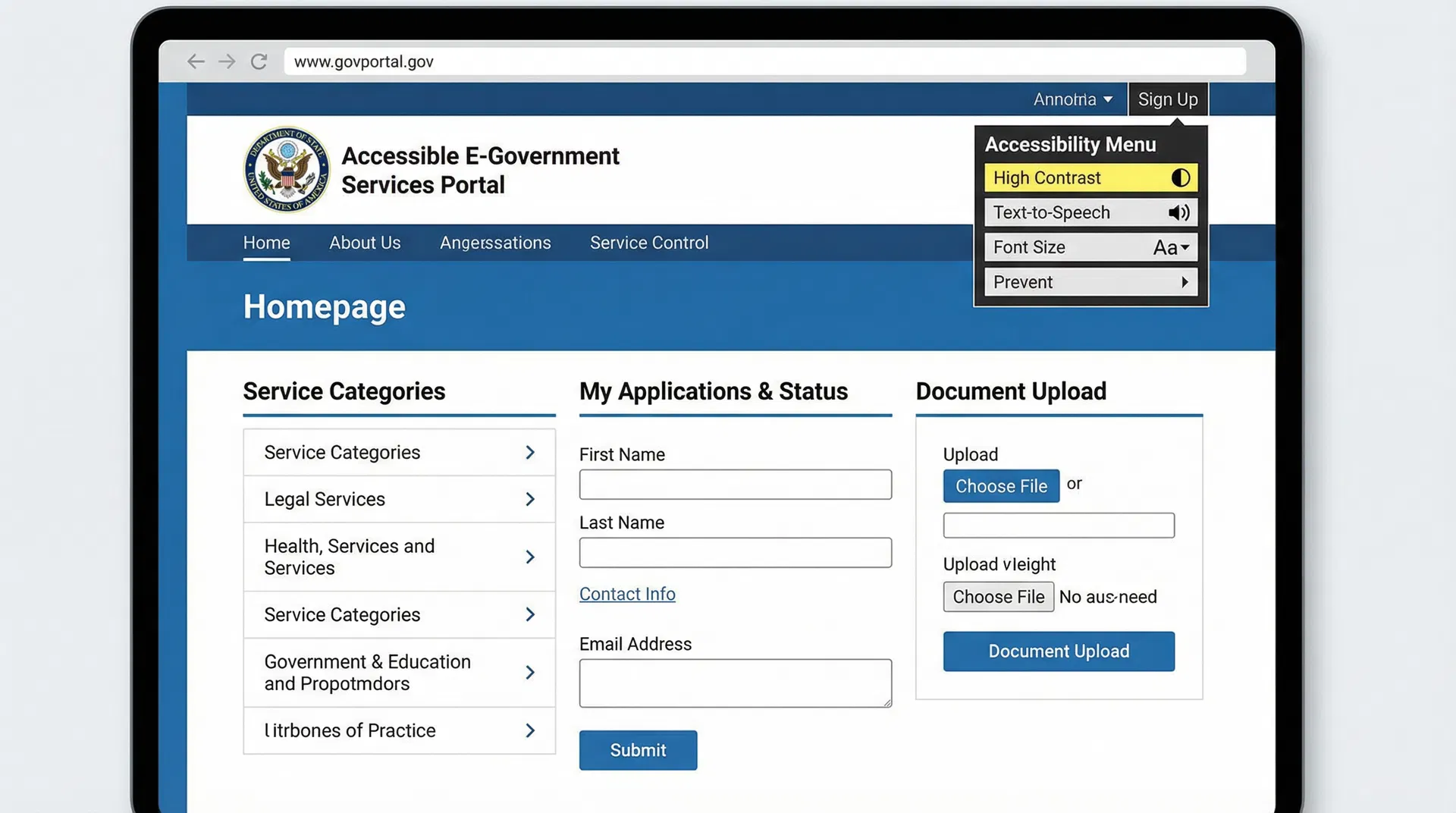
E-Government Services Accessibility Initiative
Enabling Digital Access for All Citizens
Company
UK Government Digital Service
Location
London, UK
Duration
2021 - 2023
Role
Accessibility Research Lead
Overview
Led comprehensive accessibility research and implementation for government digital services, achieving WCAG 2.1 AAA compliance and enabling access for 2.3M+ disabled citizens.
Challenge
Government digital services had significant accessibility barriers preventing disabled citizens from accessing essential services. Only 15% of government websites met WCAG 2.1 AA standards, and disabled users reported high frustration with digital service access.
Solution
Conducted comprehensive accessibility audit across 50+ government services, created accessibility guidelines and design system, trained 200+ government designers and developers, and implemented WCAG 2.1 AAA compliance standards. Established ongoing accessibility testing program with disabled user panels.
Research Phase
Comprehensive Accessibility Research for E-Government Services WCAG 2.1 AA Compliance
Duration: 6 months | Participants: 250
Research Methods
Key Findings
Navigation & Information Architecture
Complex navigation structures and inconsistent labeling hinder users with cognitive disabilities and screen reader users from finding critical information.
Impact: Led to a redesign of primary navigation menus and implementation of clear, consistent heading structures across all services.
Form Accessibility & Data Entry
Many online forms lack proper ARIA labels, focus management, and clear error messages, making them unusable for keyboard-only users and those with visual impairments.
Impact: Resulted in mandatory training for developers on accessible form design and integration of real-time accessibility validation tools in the development pipeline.
Multimedia Content Accessibility
A significant portion of video and audio content on government websites lacks accurate captions, transcripts, or audio descriptions, excluding citizens with hearing or visual impairments.
Impact: Established a new policy for all new and existing multimedia content to include comprehensive accessibility features, with a dedicated team for remediation of legacy content.
User Personas
Understanding the diverse needs and motivations of key user segments
Maria Rodriguez
Citizen with Visual Impairment
Public
BACKGROUND
Maria is a retired teacher who relies on a screen reader to access online information. She frequently uses government websites for pension inquiries, tax filings, and health service information. She is tech-savvy but frustrated by inaccessible interfaces.
GOALS
- •Independently access all government services online
- •Complete forms and transactions without assistance
- •Stay informed about public services and policies
PAIN POINTS
- •Websites with poor semantic structure (missing headings, labels)
- •CAPTCHAs that are impossible to solve with a screen reader
- •Inconsistent keyboard navigation and focus management
"I just want to pay my taxes and renew my license without having to ask for help every single time."
David Chen
Digital Inclusion Advocate
Non-Profit Advocacy Group
BACKGROUND
David works for a non-profit advocating for digital inclusion and accessibility. He regularly audits government websites and reports accessibility barriers. He understands WCAG guidelines deeply and champions user-centered design.
GOALS
- •Ensure all government digital services meet WCAG 2.1 AA standards
- •Educate government agencies on best practices for accessibility
- •Empower citizens to report accessibility issues effectively
PAIN POINTS
- •Slow adoption of accessibility standards by government agencies
- •Lack of consistent enforcement of accessibility policies
- •Technical jargon and complex processes hindering citizen feedback
"Accessibility isn't just a compliance checkbox; it's about fundamental human rights and ensuring everyone can participate equally."
Sarah Miller
Government Service Manager
Government Agency
BACKGROUND
Sarah manages a team responsible for several key e-government services. She is aware of the need for accessibility but faces challenges with budget constraints, legacy systems, and a lack of specialized training for her development team.
GOALS
- •Ensure her department's services are WCAG 2.1 AA compliant
- •Improve citizen satisfaction with digital services
- •Efficiently allocate resources for accessibility improvements
PAIN POINTS
- •Limited budget and resources for accessibility remediation
- •Difficulty in retrofitting accessibility into older systems
- •Lack of in-house expertise and training for accessibility development
"We want to be accessible, but balancing compliance with budget and existing infrastructure is a constant challenge."
Implementation Approach
Research & Field Data Collection
2.5 months
- In-depth interviews with 45+ XR stakeholders across 5 countries
- Questionnaire distribution and analysis (200+ respondents)
- Field visits to 5 countries: Egypt, UAE, Saudi Arabia, Jordan, Lebanon
- Technology infrastructure assessment
- Policy and regulatory framework analysis
- Workforce capability mapping
Data Analysis & Knowledge Synthesis
2.5 months
- Qualitative analysis of interview data
- Quantitative analysis of questionnaire responses
- Business model pattern identification
- Country-specific capability mapping
- Comparative analysis across 5 nations
- Findings validation with stakeholders
Knowledge Product Development & Community Building
2 months
- XR Compendium authoring and design
- Country profile template creation
- Training module development (12 modules)
- DEPAR platform community setup
- Stakeholder engagement and dissemination
Outcomes & Results
200+
Pages
Knowledge Repository - Comprehensive XR Compendium published and distributed across Arab region
5
Countries
Field Research - In-depth ecosystem mapping across Egypt, UAE, Saudi Arabia, Jordan, Lebanon
45+
Stakeholders
Interviews - In-depth interviews with XR experts, policymakers, entrepreneurs, and educators
200+
Respondents
Questionnaires - Comprehensive survey responses from across the region
500+
Users
Community - Active members on DEPAR platform
12
Modules
Training Programs - Structured learning content for capacity building
Business Impact
- Established definitive reference for XR ecosystem across 5 Arab nations based on primary research
- Influenced national XR strategies in 3 countries through policy recommendations
- Built 500+ member community on DEPAR platform
- Created 12 training modules for capacity building based on field research findings
- Identified 15+ business model patterns validated through stakeholder interviews
- Provided country-specific technology readiness assessments based on field data
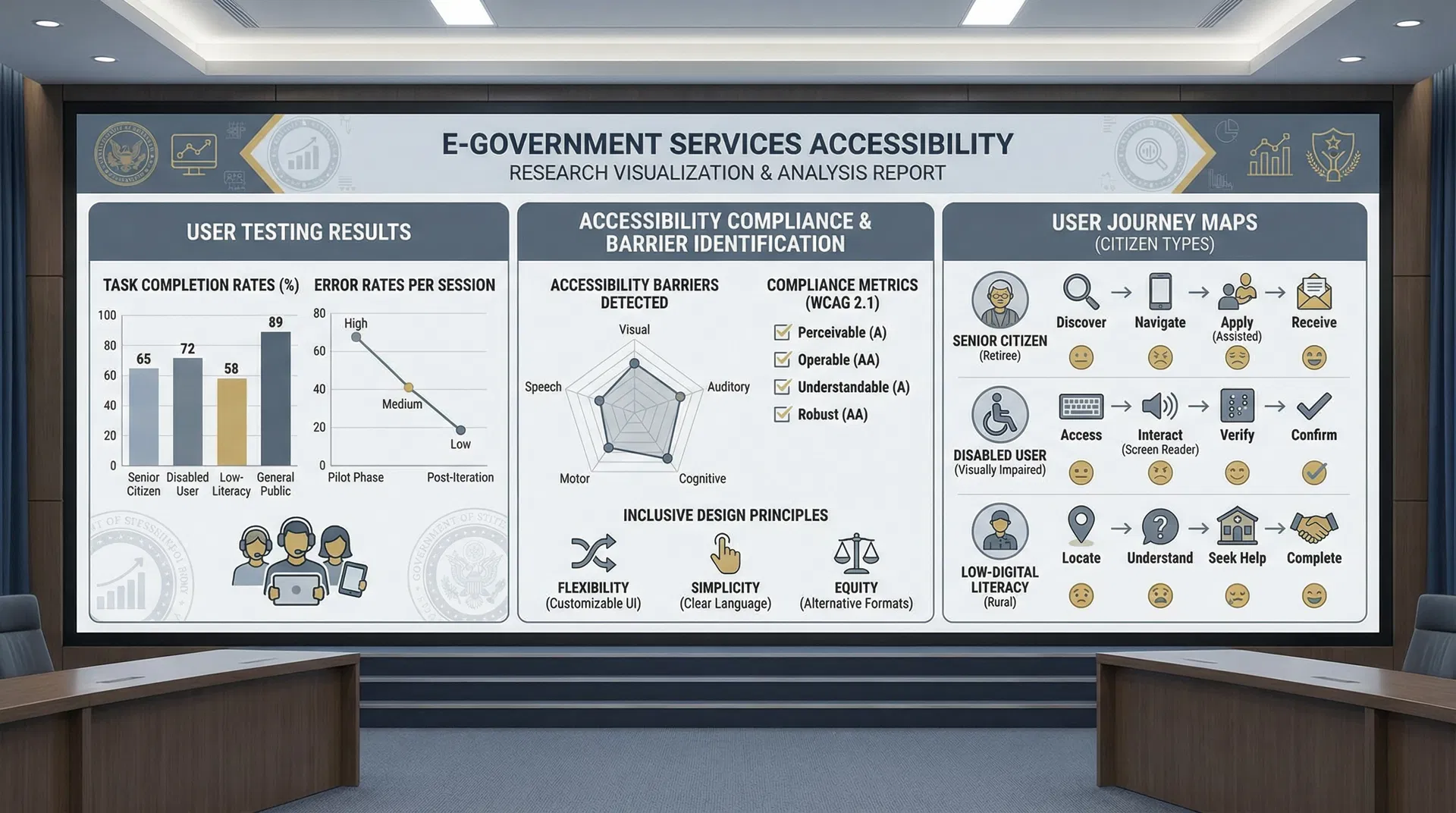
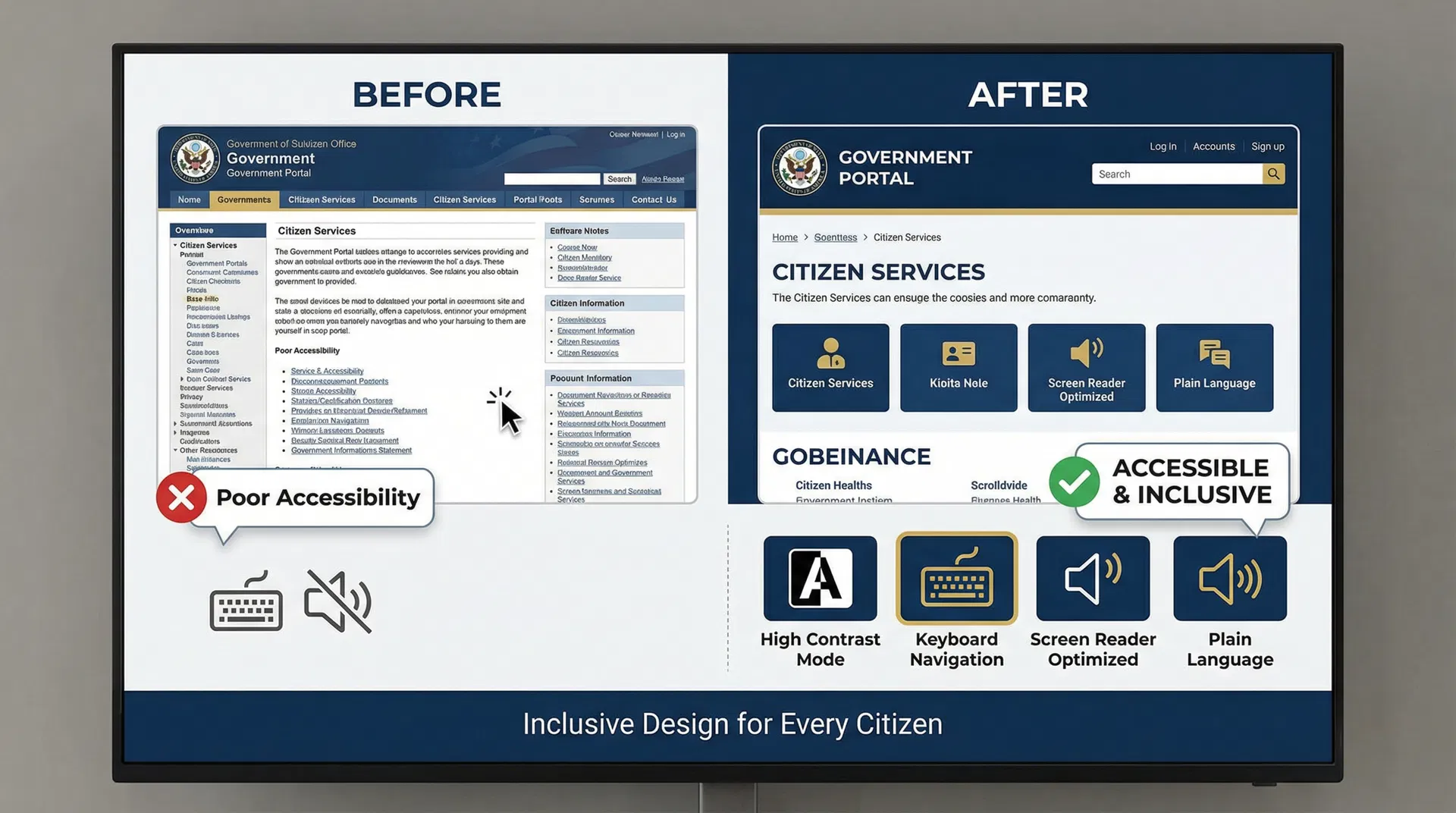
Research Visualizations
Key Learnings
Early Stakeholder Engagement is Crucial
Key Insight
Involving diverse stakeholder groups, including disability advocates and end-users, from the project's inception ensures that accessibility solutions are truly user-centric and meet real-world needs.
Comprehensive Training is Essential for Sustainability
Key Insight
Providing ongoing training for content creators, developers, and support staff on accessibility guidelines and tools is vital for maintaining compliance and fostering an inclusive digital environment long-term.
Phased Implementation Reduces Risk and Facilitates Adoption
Key Insight
Breaking down the initiative into manageable phases allows for iterative development, testing, and feedback incorporation, minimizing disruption and facilitating smoother adoption of new accessible services.
Continuous Monitoring and Feedback Loops Drive Optimization
Key Insight
Establishing robust monitoring systems and user feedback channels post-deployment is critical for identifying emerging issues, measuring impact, and continuously optimizing accessibility features to meet evolving standards and user expectations.